树相关算法
一、简介
树是一种非线性的数据结构,它是若干个有父子关系的节点的有限集合。与树相关的主要概念有:
-
节点
树的最基本组成单元,通常包括一个数据元素和若干指向其他节点的指针。没有父节点的节点称为根节点,没有子节点的节点称为叶子节点。
-
节点的度
节点拥有的子树的个数。
-
树的度
树中最大的节点的度。
-
树的层次
根节点为第一层,根节点的孩子节点为第二层,依此类推。
-
树的高度(深度)
树中节点的最大层次数。
树有多种不同类型,主要可以分为:
-
二叉树
每个节点最多只能有两个子节点的树。
-
二叉搜索树
Binary Search Tree,也称为二叉查找树、二叉排序树;对于它的每个节点来说,左子树上所有节点的值都小于它的值,右子树上所有节点的值都大于它的值。
-
满二叉树
每一层上的节点数都达到最大值的二叉树。
-
完全二叉树
除最后一层外,每一层的节点数均达到最大值。
-
AVL树
一种自平衡的二叉搜索树,任何节点的两个子树的高度最大差值为1。
-
红黑树
也是一种自平衡的二叉搜索树,通过颜色和一系列调整规则来确保树的平衡。
二、算法题
- 树模型类
public class TreeNode {

	int data;
	TreeNode lchild;
	TreeNode rchild;

	public TreeNode(int data) {
		this.data = data;
	}

	/**
	 * 数组生成树
	 * @param datas
	 * @return
	 */
	public static TreeNode createTree(Integer[] datas){
		TreeNode[] nodes = new TreeNode[datas.length];
		for(int i = 0; i < datas.length; i++){
			if(datas[i] == null){
				continue;
			}
			TreeNode node = new TreeNode(datas[i]);
			nodes[i] = node;
			if(i == 0){
				continue;
			}
			int pidx = 0;
			boolean isRight = i % 2 == 0;
			if(isRight){
				pidx = (i - 2) / 2;
			}else{
				pidx = (i - 1) / 2;
			}
			TreeNode parent = nodes[pidx];
			if(isRight){
				parent.rchild = node;
			}else{
				parent.lchild = node;
			}
		}
		return nodes[0];
	}

	/**
	 * 层序遍历
	 */
	public void levelPrint(){
		Queue<TreeNode> queue = new LinkedList<>();
		queue.add(this);
		while(!queue.isEmpty()){
			TreeNode node = queue.poll();
			System.out.print(node.data + " ");
			if(node.lchild != null){
				queue.offer(node.lchild);
			}
			if(node.rchild != null){
				queue.offer(node.rchild);
			}
		}
	}

	/**
	 * 中序遍历
	 */
	public void midPrint(){
		if(this.lchild != null){
			this.lchild.midPrint();
		}
		System.out.print(this.data + " ");
		if(this.rchild != null){
			this.rchild.midPrint();
		}
	}
}
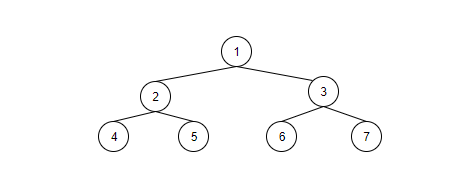
1、树的遍历
- 前序遍历
递归:
public static void main(String[] args) {
	TreeNode tree = TreeNode.createTree(new Integer[]{1, 2, 3, 4, 5, 6, 7});
	dfs(tree);
}

private static void dfs(TreeNode tree){
	if(tree == null){
		return;
	}
	System.out.print(tree.data + " ");
	dfs(tree.lchild);
	dfs(tree.rchild);
}
迭代:
public static void main(String[] args) {
	TreeNode tree = TreeNode.createTree(new Integer[]{1, 2, 3, 4, 5, 6, 7});
	Stack<TreeNode> stack = new Stack<>();
	TreeNode cur = tree;
	while(cur != null || !stack.isEmpty()){
		while(cur != null){
			System.out.print(cur.data + " ");
			stack.push(cur);
			cur = cur.lchild;
		}
		cur = stack.pop();
		cur = cur.rchild;
	}
}
输出:
1 2 4 5 3 6 7
- 中序遍历
递归:
public static void main(String[] args) {
	TreeNode tree = TreeNode.createTree(new Integer[]{1, 2, 3, 4, 5, 6, 7});
	dfs(tree);
}

private static void dfs(TreeNode tree){
	if(tree == null){
		return;
	}
	dfs(tree.lchild);
	System.out.print(tree.data + " ");
	dfs(tree.rchild);
}
迭代:
public static void main(String[] args) {
	TreeNode tree = TreeNode.createTree(new Integer[]{1, 2, 3, 4, 5, 6, 7});
	Stack<TreeNode> stack = new Stack<>();
	TreeNode cur = tree;
	while(cur != null || !stack.isEmpty()){
		while(cur != null){
			stack.push(cur);
			cur = cur.lchild;
		}
		cur = stack.pop();
		System.out.print(cur.data + " ");
		cur = cur.rchild;
	}
}
输出:
4 2 5 1 6 3 7
- 后序遍历
递归:
public static void main(String[] args) {
	TreeNode tree = TreeNode.createTree(new Integer[]{1, 2, 3, 4, 5, 6, 7});
	dfs(tree);
}

private static void dfs(TreeNode tree){
	if(tree == null){
		return;
	}
	dfs(tree.lchild);
	dfs(tree.rchild);
	System.out.print(tree.data + " ");
}
迭代:
public static void main(String[] args) {
	TreeNode tree = TreeNode.createTree(new Integer[]{1, 2, 3, 4, 5, 6, 7});
	Stack<TreeNode> stack = new Stack<>();
	TreeNode cur = tree;
	TreeNode prev = null;
	while(cur != null || !stack.isEmpty()){
		while(cur != null){
			stack.push(cur);
			cur = cur.lchild;
		}
		cur = stack.peek();
		if(cur.rchild != null && cur.rchild != prev){
			cur = cur.rchild;
		}else{
			stack.pop();
			System.out.print(cur.data + " ");
			prev = cur;
			cur = null;
		}
	}
}
输出:
4 5 2 6 7 3 1
2、数组转树
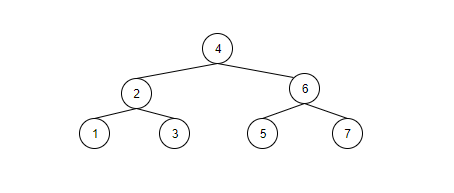
将有序的整数数组放到二叉树中。
public static void main(String[] args) {
	int[] arr = {1, 2, 3, 4, 5, 6, 7};
	TreeNode root = arrayToTree(arr, 0, arr.length - 1);
	root.levelPrint();
	System.out.println();
	root.midPrint();
}

private static TreeNode arrayToTree(int[] arr, int start, int end){
	if(start > end){
		return null;
	}
	int midIdx = (start + end) / 2;
	int data = arr[midIdx];
	TreeNode root = new TreeNode(data);
	root.lchild = arrayToTree(arr, start, midIdx - 1);
	root.rchild = arrayToTree(arr, midIdx + 1, end);
	return root;
}
输出:
4 2 6 1 3 5 7
1 2 3 4 5 6 7
3、判断数组是否是二叉查找树后序遍历
判断一个数组是否是二叉查找树后序遍历的序列。
public static void main(String[] args) {
	int[] arr = {1, 3, 2, 5, 7, 6, 4};
	boolean ret = isAfterOrder(arr, 0, arr.length - 1);
	System.out.println(ret);//true
}

private static boolean isAfterOrder(int[] arr, int start, int end) {
	int root = arr[end];
	int i = start;
	for(; i < end; i++){
		if(arr[i] > root){
			break;
		}
	}

	boolean left = true;
	if(i > start){
		left = isAfterOrder(arr, start, i - 1);
	}
	boolean right = true;
	if(i < end - 1){
		right = isAfterOrder(arr, i, end - 1);
	}
	return left && right;
}
4、计算层平均值
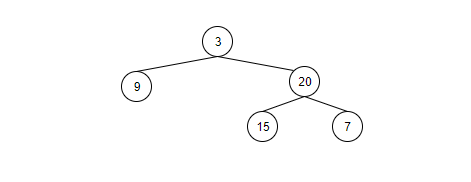
计算树中每一层的平均数。
public static void main(String[] args) {
	TreeNode root = TreeNode.createTree(new Integer[] {3,9,20,null,null,15,7});
	List<Double> avgs = new ArrayList<>();
	List<TreeNode> arr = new LinkedList<TreeNode>();
	arr.add(root);
	while(!arr.isEmpty()){
		int sum = 0;
		int size = arr.size();
		List<TreeNode> next = new LinkedList<>();
		for(TreeNode node : arr){
			sum += node.data;
			if(node.lchild != null){
				next.add(node.lchild);
			}
			if(node.rchild != null){
				next.add(node.rchild);
			}
		}
		arr.clear();
		arr.addAll(next);
		avgs.add(sum * 1.0 / size);
	}
	System.out.println(avgs);
}
输出:
[3.0, 14.5, 11.0]
5、找到第一个大于中间值的数
在二叉搜索树中找出第一个大于中间值的数,中间值=(最小值+最大值)/2。
public static void main(String[] args) {
	TreeNode root = TreeNode.createTree(new Integer[]{4, 2, 6, 1, 3, 5, 7});

	TreeNode temp = root;
	while(temp.lchild != null){
		temp = temp.lchild;
	}
	int min = temp.data;

	temp = root;
	while(temp.rchild != null){
		temp = temp.rchild;
	}
	int max = temp.data;

	int mid = (min + max) / 2;

	temp = root;
	int ret = 0;
	while(temp != null){
		if(temp.data <= mid){
			temp = temp.rchild;
		}else{
			ret = temp.data;
			temp = temp.lchild;
		}
	}

	System.out.println(ret);//5
}
6、二叉搜索树的最小绝对差
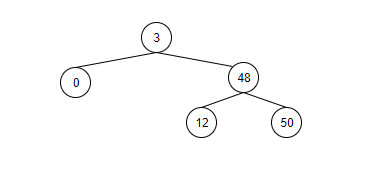
计算二叉搜索树中父子节点之差的最小绝对值(二叉搜索树的中序遍历为有序递增序列)。
public static void main(String[] args) {
	TreeNode root = TreeNode.createTree(new Integer[] {3,0,48,null,null,12,50});
	dfs(root);
	System.out.println(ret);
}

private static Integer prev = null;
private static int ret = Integer.MAX_VALUE;

private static void dfs(TreeNode root){
	if(root == null){
		return;
	}

	dfs(root.lchild);

	if(prev != null){
		ret = Math.min(ret, root.data - prev);
	}
	prev = root.data;

	dfs(root.rchild);

}
输出2,即50-48的值。
7、二叉树所有路径
计算出二叉树的所有路径。
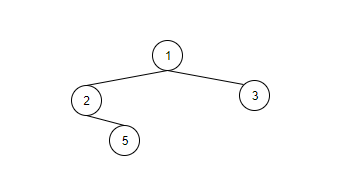
public static void main(String[] args) {
	TreeNode root = TreeNode.createTree(new Integer[] {1,2,3,null,5});
	List<String> paths = new ArrayList<>();
	collectPaths(root, "", paths);
	for(String path : paths){
		System.out.println(path);
	}
}

private static void collectPaths(TreeNode root, String path, List<String> paths) {
	if(root == null){
		return;
	}
	path = new StringBuilder(path).append(root.data).toString();
	if(root.lchild == null && root.rchild == null){
		paths.add(path);
	}else{
		collectPaths(root.lchild, path, paths);
		collectPaths(root.rchild, path, paths);
	}
}
输出:
125
13
8、计算节点数
计算二叉数的节点数。
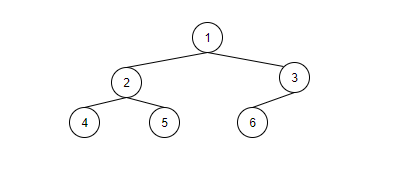
public static void main(String[] args) {
	TreeNode root = TreeNode.createTree(new Integer[] {1,2,3,4,5,6});
	int count = countNodes(root);
	System.out.println(count);//6
}

private static int countNodes(TreeNode root) {
	if(root == null){
		return 0;
	}
	return countNodes(root.lchild) + countNodes(root.rchild) + 1;
}
9、计算最长距离
计算任意两个节点之间的最长距离。
private static int ret = 0;

public static void main(String[] args) {
	TreeNode node = TreeNode.createTree(new Integer[] {1,2,3,4,5,6});
	calcMaxPath(node);
	System.out.println(ret);//4
}

private static int calcMaxPath(TreeNode node) {
	if(node == null){
		return 0;
	}
	int left = calcMaxPath(node.lchild);
	int right = calcMaxPath(node.rchild);

	int val = left + right + 1;

	if(val - 1 > ret){
		ret = val - 1;
	}

	return Math.max(left, right) + 1;
}
10、复制二叉树
public static void main(String[] args) {
	TreeNode tree = TreeNode.createTree(new Integer[]{1, 2, 3, 4, 5, 6, 7});
	copy(tree).levelPrint();
}

private static TreeNode copy(TreeNode root){
	if(root == null){
		return null;
	}
	TreeNode copy = new TreeNode(root.data);
	copy.lchild = copy(root.lchild);
	copy.rchild = copy(root.rchild);
	return copy;
}
输出:
1 2 3 4 5 6 7
11、修剪二叉树
如果叶子节点为0,则修剪掉。
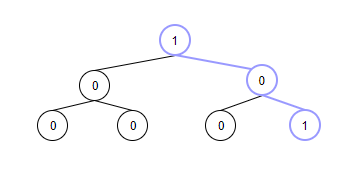
public static void main(String[] args) {
	TreeNode root = TreeNode.createTree(new Integer[] {1, 0, 0, 0, 0, 0, 1});
	prune(root).levelPrint();
}

private static TreeNode prune(TreeNode root){

	if(root == null){
		return null;
	}

	//后序遍历
	root.lchild = prune(root.lchild);
	root.rchild = prune(root.rchild);

	if(root.lchild == null && root.rchild == null && root.data == 0){
		return null;
	}

	return root;
}
输出:
1 0 1
12、镜像反转
对二叉树进行镜像反转,例如:
镜像反转后为:
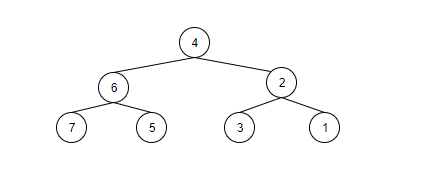
public static void main(String[] args) {
	TreeNode root = TreeNode.createTree(new Integer[]{4, 2, 6, 1, 3, 5, 7});
	reverse(root);
	root.levelPrint();
}

private static void reverse(TreeNode root) {
	if(root == null){
		return;
	}

	TreeNode temp = root.lchild;
	root.lchild = root.rchild;
	root.rchild = temp;

	reverse(root.lchild);
	reverse(root.rchild);
}
13、判断是否是平衡树
判断二叉树是否是平衡树,即左右子树高度差不超过1。
public static void main(String[] args) {
	TreeNode root = TreeNode.createTree(new Integer[] {3,9,20,null,null,15,7});
	System.out.println(isBlanced(root));//true
}

private static boolean isBlanced(TreeNode root) {
	if(root == null){
		return true;
	}else{
		boolean blanced = Math.abs(getHeight(root.lchild) - getHeight(root.rchild)) <= 1;
		return blanced && isBlanced(root.lchild) && isBlanced(root.rchild);
	}
}

private static int getHeight(TreeNode root){
	if(root == null){
		return 0;
	}else{
		return Math.max(getHeight(root.lchild), getHeight(root.rchild)) + 1;
	}
}
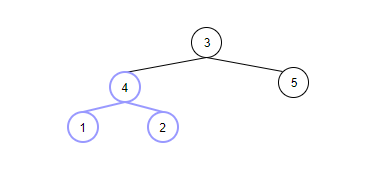
14、判断是否是子树
判断一个树是否是另一个树的子树。
public static void main(String[] args) {
	TreeNode s = TreeNode.createTree(new Integer[] {3,4,5,1,2});
	TreeNode t = TreeNode.createTree(new Integer[] {4, 1, 2});
	System.out.println(isSubTree(s, t));//true
}

private static boolean isSubTree(TreeNode s, TreeNode t) {
	if(s == null && t == null){
		return true;
	}
	if(s == null || t == null){
		return false;
	}

	return isSame(s, t) || isSubTree(s.lchild, t) || isSubTree(s.rchild, t);
}

private static boolean isSame(TreeNode s, TreeNode t) {
	if(s == null && t == null){
		return true;
	}
	if(s == null || t == null){
		return false;
	}
	return s.data == t.data && isSame(s.lchild, t.lchild) && isSame(s.rchild, t.rchild);
}
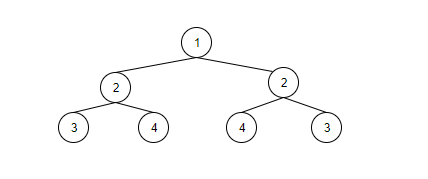
15、判断树是否对称
判断树是否是对称二叉树。
public static void main(String[] args) {
	TreeNode root = TreeNode.createTree(new Integer[] {1, 2, 2, 3, 4, 4, 3});
	System.out.println(isSymmetric(root));//true
}

private static boolean isSymmetric(TreeNode root) {
	if(root.lchild == null && root.rchild == null){
		return true;
	}
	if(root.lchild == null || root.rchild == null){
		return false;
	}
	return check(root.lchild, root.rchild);
}

private static boolean check(TreeNode lchild, TreeNode rchild) {
	if(lchild == null && rchild == null){
		return true;
	}
	if(lchild == null || rchild == null){
		return false;
	}
	return lchild.data == rchild.data && check(lchild.lchild, rchild.rchild) && check(lchild.rchild, rchild.lchild);
}
16、判断是否存在和为某个值的两个数
判断二叉树中是否存在两个数,使它们的和等于给定的值。
private static Set<Integer> set = new HashSet<>();

public static void main(String[] args) {
	TreeNode tree = TreeNode.createTree(new Integer[]{1, 2, 3, 4, 5, 6, 7});
	int target = 12;
	System.out.println(find(tree, target));//true
}

private static boolean find(TreeNode root, int target) {
	if(root == null){
		return false;
	}
	if(set.contains(target - root.data)){
		return true;
	}
	set.add(root.data);
	return find(root.lchild, target) || find(root.rchild, target);
}
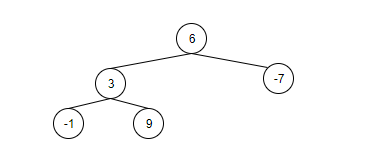
17、找和最大的路径
在二叉树中找出路径最大的和,路径可以以任意结点作为起点和终点
private static int ret = Integer.MIN_VALUE;

public static void main(String[] args) {
	TreeNode tree = TreeNode.createTree(new Integer[]{6, 3, -7, -1, 9});
	findMaxPath(tree);
	System.out.println(ret);//18
}

private static int findMaxPath(TreeNode tree) {
	if(tree == null){
		return 0;
	}
	int left = findMaxPath(tree.lchild);
	int right = findMaxPath(tree.rchild);

	int leftData = left + tree.data;
	int rightData = right + tree.data;
	int allData = left + right + tree.data;

	int max = leftData > rightData ? leftData : rightData;
	max = max > allData ? max : allData;

	if(max > ret){
		ret = max;
	}

	return (left > right ? left : right) + tree.data;
}
18、计算最大子树和
计算二叉树的最大子树和。
private static int ret = Integer.MIN_VALUE;

public static void main(String[] args) {
	TreeNode root = TreeNode.createTree(new Integer[]{6, 3, -7, -1, 9});
	dfs(root);
	System.out.println(ret);//11

}
private static int dfs(TreeNode root) {
	if(root == null){
		return 0;
	}

	int left = dfs(root.lchild);
	int right = dfs(root.rchild);

	int val = left + right + root.data;

	if(val > ret){
		ret = val;
	}

	return val;
}
19、找到符合条件的路径
在二叉树中找出与指定整数相等的路径。
public static void main(String[] args) {
	TreeNode tree = TreeNode.createTree(new Integer[]{6, 3, -7, -1, 9});
	List<Integer> paths = new ArrayList<>();
	int target = 8;
	dfs(tree, 0, target, paths);
}

private static void dfs(TreeNode node, int sum, int target, List<Integer> paths){
	if(node == null){
		return;
	}
	int val = node.data;
	sum += val;
	paths.add(val);

	if(node.lchild != null){
		dfs(node.lchild, sum, target, paths);
	}
	if(node.rchild != null){
		dfs(node.rchild, sum, target, paths);
	}

	if(node.lchild == null && node.rchild == null && sum == target){
		for(int i : paths){
			System.out.print(i + " ");
		}
		System.out.println();
	}

	int idx = paths.size() - 1;
	sum -= paths.get(idx);
	paths.remove(idx);
}
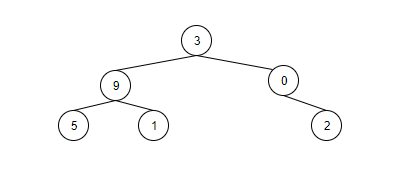
20、计算所有路径之和
计算二叉树所有路径(根节点到叶子节点)表示的数字之和。
public static void main(String[] args) {
	TreeNode root = TreeNode.createTree(new Integer[] {3, 9, 0, 5, 1, null, 2});
	System.out.println(dfs(root, 0));//1088
}

private static int dfs(TreeNode root, int val){
	if(root == null){
		return 0;
	}

	val = val * 10 + root.data;
	if(root.lchild == null && root.rchild == null){
		return val;
	}

	return dfs(root.lchild, val) + dfs(root.rchild, val);
}